Client
Omi Home Furnishings Manufacturing
Services
Digital Audit, Market Research, User Experience
Year
2026
In the pursuit of clean, uniform office designs, a critical human element is often engineered out: personal expression. While pristine, standardized rows of desks might look flawless on an architectural rendering, they frequently fail to account for how people actually connect to their environment. Allowing employees to personalize their workspace isn’t about permitting clutter, it is a fundamental driver of psychological ownership and workplace satisfaction.
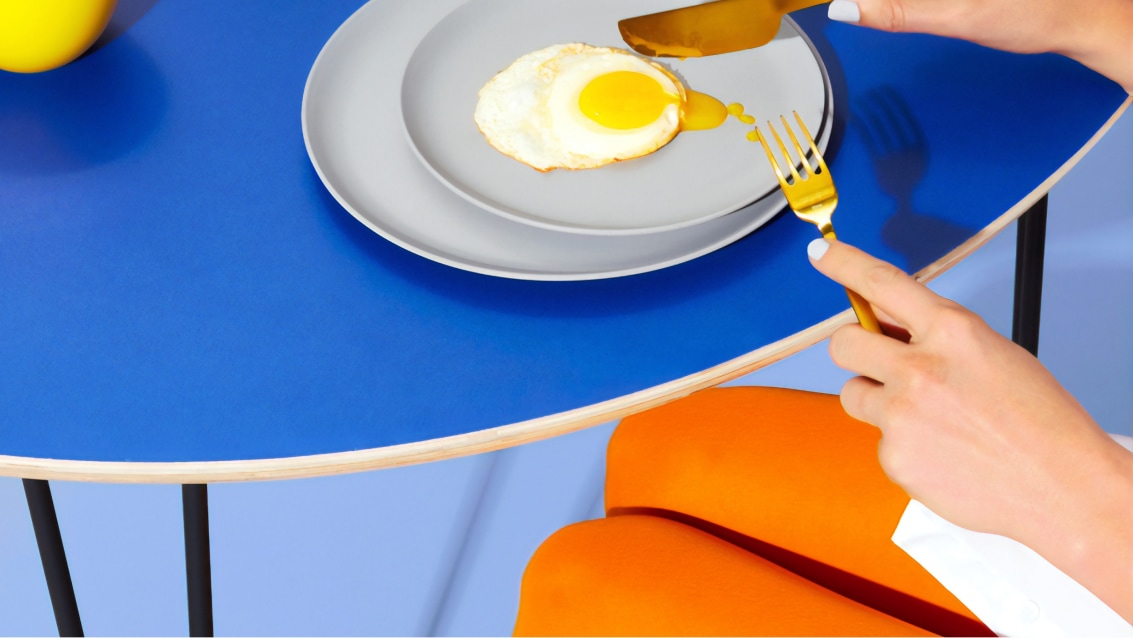
When employees are given the agency to modify their immediate surroundings, they transition from temporary occupants to grounded residents of the space. Whether it means bringing in personal artifacts and plants, or having the freedom to adjust monitor heights and localized lighting, this level of autonomy significantly reduces daily stress. A personalized space acts as a psychological anchor. It signals safety and familiarity, lowering cognitive friction and making it far easier to transition into a state of deep, sustained focus. Ultimately, it proves that the environment is adapting to the human, rather than forcing the human to adapt to the environment.
For the company, the ripple effects of this autonomy are profound. A rigid "clean desk" policy can unintentionally communicate a lack of trust, suggesting a prioritization of aesthetics over people. Conversely, an organizational culture that embraces personalization sends a clear, empowering message: we value your individuality just as much as your output.
This sense of belonging becomes a powerful catalyst for both company culture and overall performance. Employees who feel a sense of ownership over their space are naturally more rooted and engaged with the company. Productivity rises when people have control over their micro-environment, as the mental energy previously spent tolerating an uncomfortable or sterile setting is redirected into meaningful work. Over time, this autonomy transforms a generic office into a vibrant, living ecosystem that visually reflects the diverse minds driving the business forward.
"True spatial clarity does not mean sterility."
The most effective, resilient workplaces strike a deliberate balance between cohesive architectural logic and individual agency. By designing spaces that leave room for personal expression, companies build environments that don’t just function perfectly on paper, but genuinely support how people work best in reality.